9 Factors That Help Determine the Best Solar Battery for Australian Homes
By Abdus Salam
970 Views
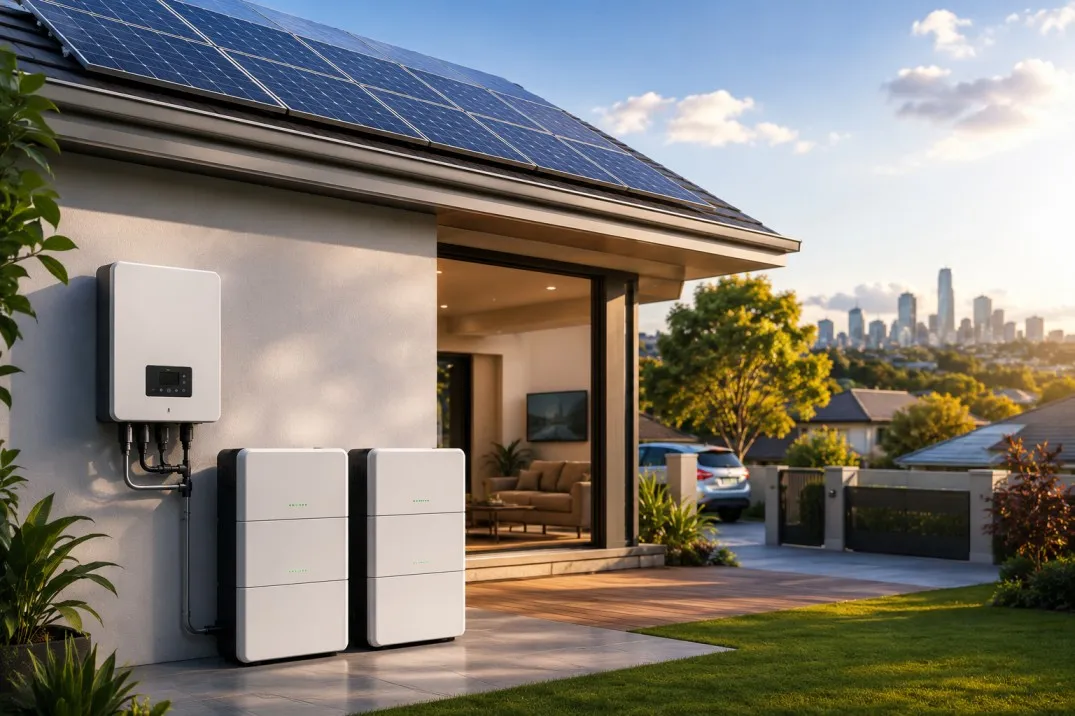
Solar batteries are becoming an increasingly important part of residential energy systems across Australia. For homeowners with rooftop solar, battery storage provides a way to store excess electricity generated during daylight hours so that more of that energy can be used when solar production is lower.
However, choosing the Best solar battery is not simply about finding the largest battery or selecting a familiar brand. Every household has different electricity consumption patterns, solar generation levels, budgets and expectations. A battery that works well for one property may not necessarily be the right choice for another.
Before investing in battery storage, homeowners should consider several practical factors, including usable capacity, compatibility, efficiency, warranty coverage and future energy requirements. Understanding these areas can make it easier to select a system that provides reliable performance and lasting value.
1. Battery Capacity and Household Energy Consumption
Capacity is one of the first specifications homeowners encounter when comparing solar batteries. Usually measured in kilowatt-hours (kWh), it indicates how much electrical energy a battery can store.
The right capacity depends largely on how much electricity a household consumes and when that electricity is used. A home that uses significant power in the evening may have different storage requirements from a property where most energy consumption occurs during daylight hours.
It is also important to distinguish between total capacity and usable capacity. Some batteries reserve a portion of their stored energy to protect the battery and support long-term performance. As a result, the advertised total capacity may differ from the amount of electricity available for everyday use.
When searching for the Best solar battery, homeowners should therefore consider actual consumption patterns rather than automatically choosing the battery with the highest capacity.
2. Compatibility With the Existing Solar System
Not every solar battery is suitable for every solar installation. Compatibility can depend on the inverter, solar array, electrical configuration and whether the battery is being installed alongside a new system or added to an existing one.
Some batteries use AC-coupled configurations, while others operate through DC-coupled systems. Each approach has potential advantages depending on the property and existing equipment.
For homes that already have solar panels, a professional assessment can help determine whether existing components can support the proposed battery or whether additional equipment may be required.
The Best solar battery should integrate effectively with the overall energy system rather than being considered as an isolated product. Proper compatibility can support efficient operation and reduce the likelihood of unnecessary equipment changes.
3. Usable Capacity and Depth of Discharge
Depth of discharge refers to how much of a battery’s stored energy can be used before it needs to be recharged. This is an important consideration because two batteries with similar headline capacities may provide different amounts of usable electricity.
For example, a battery may have a certain nominal storage capacity while its recommended operating limits mean that only part of that capacity is routinely available.
Modern battery systems generally include management technology designed to control charging and discharging. These systems can help protect battery cells and maintain safe operating conditions.
When comparing options, homeowners should look beyond the headline storage figure and consider usable capacity alongside the manufacturer’s operating recommendations. This provides a clearer picture of how much energy the battery may realistically supply.
4. Battery Efficiency
No battery stores and returns every unit of electricity without some energy loss. Round-trip efficiency describes how much energy can be retrieved compared with the amount used to charge the battery.
A higher-efficiency system generally means that a greater proportion of stored solar electricity is available for later use. Over many charging and discharging cycles, these differences can influence overall system performance.
Efficiency should not, however, be assessed in isolation. Battery size, inverter performance, installation quality, household consumption and system design all affect how effectively stored energy is used.
The Best solar battery for a particular home is therefore one that balances efficiency with appropriate capacity, compatibility, reliability and cost.
5. Expected Lifespan and Cycle Performance
A solar battery is a long-term investment, so expected lifespan deserves careful consideration. Battery performance naturally changes over time as the system completes repeated charging and discharging cycles.
Manufacturers may describe expected performance using cycle counts, years of service or retained capacity after a specified period. These measures can help homeowners compare different products, but they should be read alongside warranty conditions and usage limitations.
How frequently a battery cycles can depend on household consumption, solar generation and system settings. Environmental conditions and installation quality may also influence long-term performance.
Rather than focusing only on the purchase price, homeowners looking for the Best solar battery should consider how well the system is expected to perform throughout its useful life.
6. Warranty Terms and Manufacturer Support
Battery warranties can vary considerably, making it important to understand exactly what is covered.
A warranty may specify a number of years, an energy-throughput limit, expected retained capacity or a combination of these conditions. Certain operating requirements may also apply for warranty coverage to remain valid.
Homeowners should review what happens if battery capacity declines over time, which components are covered and whether labour or replacement costs are included under particular circumstances.
Manufacturer reputation and local support are also worth considering. A long warranty period is more meaningful when it is backed by accessible support and clear terms.
Choosing the Best solar battery involves evaluating the complete warranty rather than relying solely on the number of years displayed in marketing material.
7. Backup Power Requirements
Many homeowners assume that installing a solar battery automatically means the entire property will continue operating normally during a grid outage. In practice, backup capabilities vary between systems.
Some batteries may require additional hardware to provide backup functionality. Others may be configured to supply only selected essential circuits rather than every appliance in the home.
Homeowners interested in backup power should identify which appliances or circuits they consider essential. Refrigeration, lighting, communications equipment and selected power outlets may be prioritised depending on household requirements.
If backup capability is an important reason for installing storage, it should be discussed during system design. The Best solar battery should align with realistic expectations about what needs to remain powered and for approximately how long.
8. Installation Quality and Safety
Even a high-quality battery depends on correct system design and professional installation.
Battery placement must account for manufacturer requirements, environmental exposure, ventilation where applicable, accessibility and relevant electrical and safety standards. The suitability of a location can vary depending on the battery technology and property layout.
Australian homeowners should also ensure they understand the current requirements that apply to solar and battery installations. Information about renewable energy systems, consumer considerations and relevant programs can be found through official Australian Government energy resources.
Professional system design is particularly important because battery storage involves more than selecting a product. The solar array, inverter, battery, switchboard and household consumption profile need to work together as an integrated energy system.
For many households, the Best solar battery is ultimately part of a well-designed solution rather than simply the battery with the most impressive specifications.
9. Long-Term Value and Future Energy Needs
Purchase price naturally influences any battery decision, but the cheapest option is not necessarily the best long-term choice.
Homeowners should consider expected lifespan, usable storage, efficiency, warranty coverage, installation requirements and potential future changes in electricity consumption. These factors provide a more complete picture of value.
Future energy needs are particularly important. A household may later add an electric vehicle, install additional air conditioning, expand its solar array or change when electricity is consumed throughout the day.
Planning for these possibilities can help avoid choosing a system that quickly becomes unsuitable. At the same time, unnecessarily oversizing a battery can increase upfront costs without guaranteeing proportional benefits.
The Best solar battery should provide an appropriate balance between present requirements, future flexibility and overall lifetime value.
Why Household Energy Data Matters Before Choosing a Battery
One of the most useful steps before purchasing battery storage is reviewing actual household electricity data.
Electricity bills provide a starting point, but more detailed consumption information can reveal when power is being used. This matters because battery performance and potential savings depend not only on total daily consumption but also on the timing of that consumption.
A household that exports substantial excess solar energy during the day and imports electricity in the evening may have a different battery opportunity from a household that already consumes most of its solar generation directly.
Seasonal changes should also be considered. Solar generation and household electricity use can vary throughout the year, so decisions based on a short period of data may not provide the full picture.
A tailored assessment can use these patterns to help determine whether battery storage is appropriate and what capacity may suit the property.
Comparing Solar Batteries Beyond Brand Names
Brand recognition can provide useful context, but it should not be the only factor guiding a battery purchase.
Two products may differ in usable capacity, power output, warranty structure, operating temperature range, installation requirements, software features and compatibility. These differences can be more important than brand familiarity alone.
Homeowners should compare batteries based on how each product fits their specific solar system and energy goals. Product documentation, warranty terms and technical specifications can provide useful information for making an informed comparison.
Independent consumer information and official Australian energy resources can also help homeowners better understand solar and battery technology before making a significant investment.
Frequently Asked Questions
What is the Best solar battery for an Australian home?
There is no single Best solar battery for every Australian household. The right choice depends on factors such as electricity consumption, solar system size, available excess generation, required usable capacity, budget, backup expectations and compatibility with existing equipment.
How much battery capacity does a typical home need?
Battery capacity should be based on the household’s actual energy consumption and solar generation rather than a universal figure. Reviewing electricity usage patterns, particularly evening and overnight consumption, can help determine an appropriate storage size.
Can I add a solar battery to an existing solar system?
In many cases, yes. However, compatibility depends on the existing inverter, solar array, electrical configuration and the type of battery being considered. A qualified assessment can determine the most appropriate way to integrate storage into an existing system.
Does the Best solar battery provide backup during a blackout?
Not necessarily. Backup functionality varies between products and system configurations. Some installations require additional equipment, while others may only support selected essential circuits. Homeowners should confirm backup capabilities before purchasing.
Is a larger solar battery always better?
No. An oversized battery may increase upfront costs without delivering equivalent benefits if there is insufficient excess solar generation to charge it regularly. The Best solar battery should be appropriately sized according to household consumption, solar production and future energy needs.
Making an Informed Solar Battery Decision
Choosing a solar battery requires more than comparing prices or selecting the largest available storage capacity. Homeowners should evaluate how capacity, efficiency, lifespan, warranty coverage, compatibility, backup functionality, installation quality and future electricity needs work together.
A carefully designed battery system can help households use more of the solar electricity they generate and manage their energy consumption more effectively. For homeowners on the Gold Coast and surrounding areas who want guidance on choosing the Best solar battery for their individual energy requirements, Energy Solution Centre provides tailored residential solar, commercial solar, battery storage, off-grid and EV charging solutions. To discuss an energy solution suited to your property, contact Energy Solution Centre on +61 1300 217 079 or visit the company website for further information.